Introduction
This Modern Slavery Statement is published by the Development Bank of Wales (DBW) and its subsidiaries for the financial year ending 31 March 2025, in line with Section 54 of the Modern Slavery Act (MSA) 2015, which requires commercial organisations with turnover above £36 million (1) to produce an annual statement describing the steps taken to combat unethical practices and modern slavery within its business and supply chains. References to “we”, “us” and “our”, “the Group” are to the Development Bank of Wales and its subsidiaries.
This statement also reflects the Development Bank’s commitments under the Welsh Government Code of Practice for Ethical Employment in Supply Chains and its 12 commitments (2).
Our organisation, structure and supply chains
The Development Bank of Wales is a development finance company and is wholly owned by Welsh ministers. The Development Bank delivers financial support to stimulate economic growth, innovation and entrepreneurship, delivered by a directly employed workforce, third parties and private sector organisations.
Policies
The Development Bank has a variety of policies in place to address issues raised by the MSA 2015 and the WG’s Code of Practice, these include:
- Code of conduct policy
- Ethical recruitment policy
- Ethical procurement policy
- Recruitment policy
- Whistleblowing policy
- Responsible investment policy
- Procurement policy
- Third party risk management policy
- Anti-bribery, corruption and fraud policy
- Complaints policy and procedures Other supplementary policies include:
- Anti-Money laundering policy
- Risk management and assurance policy
Risk assessment and management
The Development Bank of Wales last undertook a Modern Slavery Risk Assessment in December 2025, aligned to both statutory guidance and the Welsh Government’s Code of Practice for Ethical Employment in Supply Chains.
Taking account of the modern slavery risks associated with the Development Bank’s activities and the mitigating controls in place to manage those risks, the residual risk level has been assessed to be: LOW
Due Diligence
The Development Bank’s Modern Slavery Risk Assessment has identified the following areas as activities where there is potential exposure to modern slavery practices. For each of these areas, we outline below the steps and controls that we have implemented to prevent, identify and mitigate the risk of modern slavery.
Investments
The Development Bank recognises that risks relating to modern slavery may arise within investee businesses and their supply chains. We conduct proportionate ESG and customer due diligence in assessing our investment exposure relating to modern slavery, including the use of screening tools to detect publicly available adverse coverage relating to modern slavery connected to our investments. Where potential indicators of modern slavery are identified, further investigation is undertaken before investment decision is made. In line with our Responsible Investment Policy, we will not support businesses where there is evidence of or unresolved concerns regarding modern slavery exploitation within their operations.
Procurement
Modern slavery considerations are embedded across the procurement lifecycle, and we operate in accordance with the Group’s Procurement Policy and Ethical Procurement Policy. This sets out the requirements for the Group when procuring goods and services:
- Mandatory exclusion grounds relating to modern slavery are applied through the Standard Selection Questionnaire (SQ) in line with PPN 03/23, ensuring that the Development Bank does not engage with suppliers associated with modern slavery risks or failing to meet our required ethical standards.
- Where appropriate, risk-based questions are included in invitations to tender, taking account of the nature and risk profile of the goods or services being procured.
- When awarding contracts, where appropriate we include anti‑slavery provisions to protect workers’ rights, with the right to terminate contracts in the case of non-compliance by the supplier.
Recruitment and workforce (internal and supply chain)
We recognise that robust recruitment and workforce practices are essential to preventing modern slavery risks within our organisation. We maintain clear, transparent and ethical procedures for hiring, onboarding and managing colleagues, ensuring all individuals engaged by the Development Bank are employed voluntarily, treated fairly and protected from any form of exploitation.
Training
We recognise that awareness is essential to identifying red flags or indicators of the possibility of modern slavery and meeting both UK and Welsh Government expectations for prompt action.
During the 2025/26 financial year all colleagues completed mandatory Modern Slavery training.
Reporting mechanisms
Members of the public, suppliers, workers in our supply chain, or any external party are encouraged to raise concerns directly with us through the following email address:
generalcounsel@developmentbank.wales
Concerns may also be reported to the Modern Slavery & Exploitation Helpline (08000 121 700 or www.modernslaveryhelpline.org/report), which operates independently and confidentially.
Colleagues who identify potential modern slavery issues within our business or supply chain should report their concerns in accordance with our Whistle-blowing Policy.
Further steps
We will continue to assess the effectiveness of our current measures and take account of Home Office guidance in order to maintain an effective risk management posture with respect to modern slavery. The Modern Slavery Statement is reviewed on an annual basis.
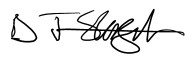
- Signed by: David Staziker, Chief Financial Officer
- Date of approval: 2nd June 2026
Signature:
- DBW exceeded this statutory threshold for the first time in FY 2024/25.
- In June 2024, DBW signed up to the Welsh Government’s Code of Practice for Ethical Employment in Supply Chains. The code covers 12 commitments including Modern Slavery and Human rights abuses, blacklisting, false self-employment, unfair use of umbrella schemes and zero hours contracts.